
Early in my career, I learned a leadership lesson the hard way.
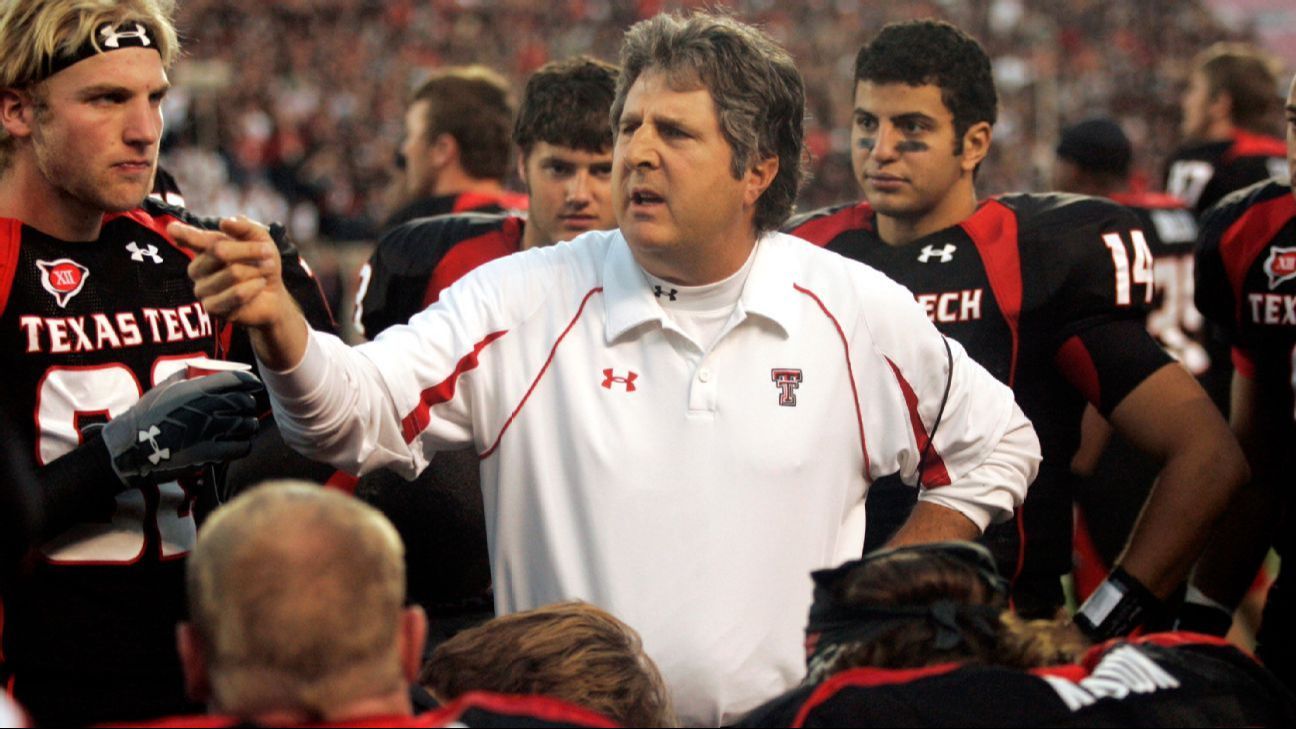
During spring ball heading into my senior year, I unloaded on one of our wide receivers in front of the entire team. I yelled. I corrected. I went on for nearly a minute.
Did he absorb the coaching point?
Not a chance.
What I actually did was take a massive withdrawal from his trust account.
He shut down. His defenses went up. And whatever opportunity I had to connect and lead him was gone.
That’s human nature. When we’re criticized—especially publicly—our walls go up. Our ego takes over. And learning stops.
Too often, this is what people think leadership looks like. But it’s not effective leadership.
Leadership is about elevating your group—getting the most out of the people you lead, not shutting them down.
That receiver didn’t lack talent. He lacked leadership—from me. The following season, with a new voice and a different approach, his game took off. He got drafted.
The difference wasn't talent. It was effective leadership.
One of the most effective leadership principles I’ve learned—whether you’re a coach, athlete, parent, or business leader—is this:
When feedback happens privately, defenses drop. People aren’t worried about saving face or being embarrassed. They’re open, receptive, and willing to grow.
A simple framework that works is the Oreo Method:
The second half matters just as much.
Catch people doing it right. Call it out publicly. Highlight effort, improvement, and execution.
When you praise publicly, you reinforce the behaviors you want more of. People stop playing to avoid criticism and start competing to earn trust.
This applies everywhere—coaches, teammates, parents, leaders in business.
Coach in private. Praise in public.
Do it consistently and you’ll build trust, earn buy-in, and elevate the people you lead.
Next week, I’ll break down the second principle for creating leadership deposits.
Have a great week.
Easy Easy,
-Luke Falk